


1. We have a lot going on this year, is the award time consuming and paperwork heavy?
Implementing on site daily toothbrushing can seem daunting but most settings find that once they have worked out the procedure that works for them, it becomes a valued and straightforward part of the day. For many the process takes about 10 minutes.
Take a look at our video on how the toothbrushing can run safely and smoothly.
There are three parts of the award that involve some paperwork – sending us a copy of snack menus, a policy/guidelines for celebrations held in the setting (we provide a template for developing this) and brief write ups of oral health activities with the children – or you can send us photos.

2. My setting hasn’t been invited or is outside your programme area – can we still take part?
Contact your local oral health team to check eligibility and explore what support or programmes may be available in your area.
3. We are a special school; can you adapt the award for our pupils?
Yes, our team will work with you to support the oral health needs of your pupils, while supporting your setting to work towards the award criteria.
4. We would like to implement the daily toothbrushing but are not able to work towards the other award criteria – can we still take part?
Yes, we offer ‘Let’s Brush’ which is purely the daily supervised toothbrushing. Please visit your team’s My Smile page for more information.
5. What if I need more toothbrushes or toothpaste?
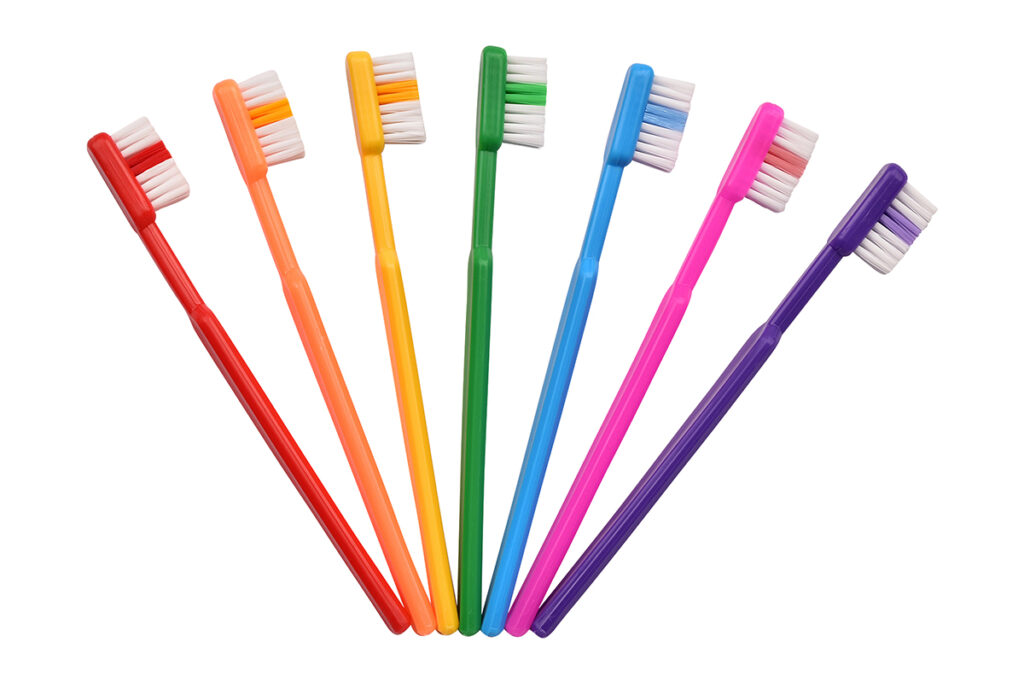
As an invited setting, you will receive the necessary toothbrushing equipment from the oral health team. Toothbrushes will be replaced termly for you. If you are not from an invited setting then we can support you with sourcing the equipment.
6. We don’t have a big enough sink in our setting. How can we carry out the toothbrushing with so many children?
Supervised toothbrushing does not require children to be at a sink. The dry brushing method is used, and preferred in most of our settings, where children sit or stand to clean their teeth and spit any excess toothpaste foam into a paper towel, cup or bowl. Only then are toothbrushes taken to a sink by an adult to rinse under a cold tap. If wet brushing is chosen, then there should be no more than two children at a sink.
7. How can we support children with SEND with toothbrushing?
Over time gently acclimatise the child to the toothbrush – touch the brush to the back of the hand, to the cheek, lips and eventually inside the mouth and teeth! Using a doll or mouth model could help too. Introduce the toothpaste with just a smear to get the child used to the taste.
8. How will we know if we are doing the toothbrushing correctly?
If you are part of the My Smile or Let’s Brush award, then one of the team will arrange an observation visit with you to see the toothbrushing in action. They will be able to give you feedback and guidance on the process in line with the statutory guidance.
9. How will the team ensure we have the right evidence in place?
You will need to gather and submit evidence to us for each of the four steps. We will keep you updated as to what has been completed and what is left to do.
10. How do I submit evidence?
We ask that your documents and photo evidence is submitted by email.
11. Do we have to repeat the award each year?
No, the award lasts for a two-year cycle, for example a 2026/27 accreditation would need to be renewed 2028/29.

12. Can we allow children to have cake in our setting when it is their birthday?
My Smile discourages sweets and sugary foods being brought in by parents. The programme asks for tooth friendly, healthy alternatives to be promoted, see our sample celebration policy in the downloads section.
In your setting, cake could be served as a pudding after lunch for example or be sent home with the children and advised to be eaten at a mealtime.
13. How do I help parents find a dentist?
They can go to www.nhs.uk and search a postcode for local practices, reviews and contact information.
If you have any other questions, please contact your local oral health team.
to top